Top Pest Control Tips for Western Cape Homeowners: Keep Creepy Crawlies at Bay!
Pests don’t wait for an invitation—they show up unannounced and make life difficult fast. For Western Cape homeowners, keeping creepy crawlies out means more than just quick fixes; it demands smart, eco-friendly pest control tips that really work. In this post, you’ll get simple, safe strategies to manage and prevent pests in your home without harsh chemicals or hassle. Ready to keep your home pest-free? Contact Hygiene and Bugs R Us today for a free eco-friendly pest control consultation! For more seasonal pest prevention tips, check out this guide to a pest-free home year-round.
Eco-Friendly Pest Solutions for Homes
When it comes to keeping pests at bay, eco-friendly solutions offer a safe and effective approach. Here’s how you can make your home a fortress against unwanted visitors without resorting to harsh chemicals.
Safe Alternatives to Chemicals
Many homeowners feel trapped between the need for effective pest control and the desire to maintain a safe living environment. But what if you didn’t have to choose? Natural methods provide a powerful alternative to traditional pesticides. For instance, diatomaceous earth offers a chemical-free way to tackle insects like ants and bed bugs. Sprinkle it around affected areas for a natural defense. Essential oils like peppermint or tea tree also repel pests—add a few drops around windows and doors for best results.
Baking soda and vinegar make a great duo for ants and roaches. Mixing them creates a reaction that keeps these pests away. And let’s not forget about the benefits of borax, which can target cockroaches effectively. Take a look at these simple at-home tips to keep the pests away for more inspiration.
Benefits of Natural Pest Control
Switching to natural pest control offers more than just peace of mind. It’s about creating a healthier home for you and your family. By avoiding harsh chemicals, you reduce the risk of allergies and skin irritations. Plus, many natural solutions are easy on the budget. Using essential oils, for example, might already be a part of your wellness routine—now, they can protect your home too.
Natural methods are not only safe but also environmentally friendly. They reduce your carbon footprint, a win-win for both your household and the planet. Most people believe that harsh chemicals are the only solution, but with natural alternatives, you can protect your home and the earth. Curious about more eco-friendly pest control strategies? Check out this blog on organic tick and mosquito control.
Practical Pest Prevention Tips
Now that you’ve got safe solutions in your toolkit, let’s focus on preventing pests from entering in the first place. These straightforward steps will help you maintain a pest-free environment.
Seal Entry Points Effectively
The first step in pest prevention is a thorough inspection of your home. Look for gaps, cracks, or holes that pests might use as entry points. Pay special attention to areas around windows, doors, and utility pipes. Use caulk to seal small gaps, and steel wool can be an effective barrier for larger openings.
Don’t forget the screens! Make sure window and door screens are intact without tears. Weatherstripping is another simple yet effective tool to keep pests out. It’s not just about sealing your home; it’s about keeping comfort in and pests out. For insights on maintaining an effective pest barrier, check out this informative article.
Regular Home Maintenance Tasks
Regular home maintenance is essential for preventing pest infestations. Cleanliness is key—make it a habit to clean up crumbs and spills immediately. Regularly vacuuming carpets and mopping floors can minimize the risk of pests taking up residence.
Don’t underestimate the power of decluttering. Piles of newspapers, cardboard, or other materials can become breeding grounds for pests. Keep storage areas tidy and organized to prevent such issues. Lastly, ensure garbage is stored in sealed containers and disposed of regularly. Maintaining a clean home is perhaps the simplest yet most powerful preventative measure you can take.
Home Pest Management Strategies
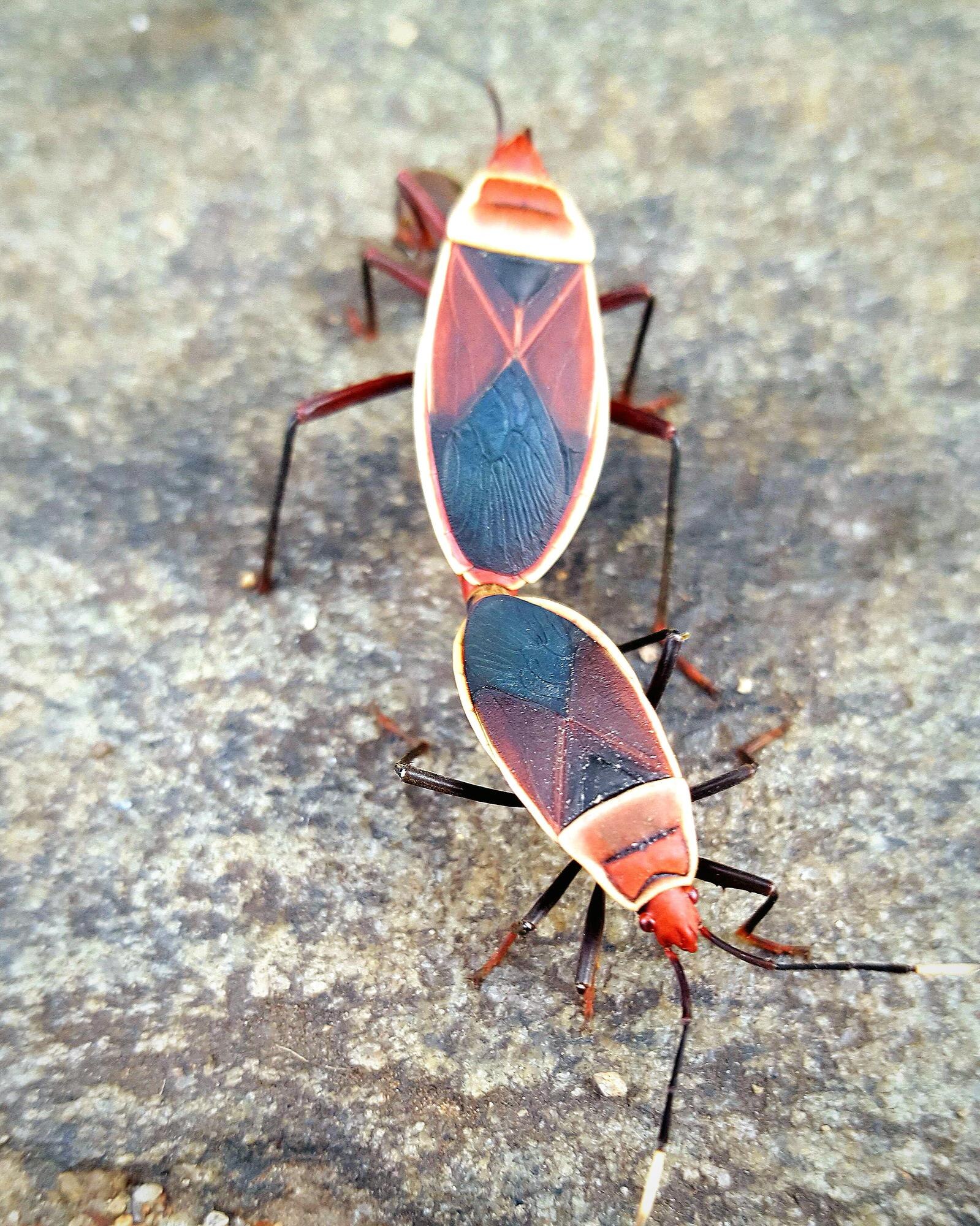
Once you’ve fortified your home and adopted regular maintenance habits, it’s time to consider specific management strategies. Knowing your enemy is half the battle.
Identifying Common Pests
Understanding the pests common to your area helps you tackle infestations quickly. In the Western Cape, you’re likely dealing with ants, cockroaches, rodents, and spiders. Each pest has distinct signs: ant trails, cockroach droppings, gnawed wires from rodents, and spider webs in corners.
Recognizing these signs enables you to act swiftly, addressing small issues before they become significant problems. For more details on identifying pests and effective control methods, join discussions in this Facebook group.
Setting Up Preventative Barriers
Creating barriers is a proactive way to manage pests. Consider using natural repellents like cinnamon or coffee grounds around potential entry points. These common kitchen items can deter ants and other small insects.
Sticky traps can capture crawling insects, and bait stations work well for rodents. The aim is to make your home as unattractive as possible to pests. The longer you wait to take these steps, the more challenging it becomes to control infestations. Establishing barriers now can save you time and effort later.
For more comprehensive strategies and insights, consult our experts at Hygiene and Bugs R Us. We’re here to ensure your peace of mind with eco-friendly, effective solutions tailored for the Western Cape.