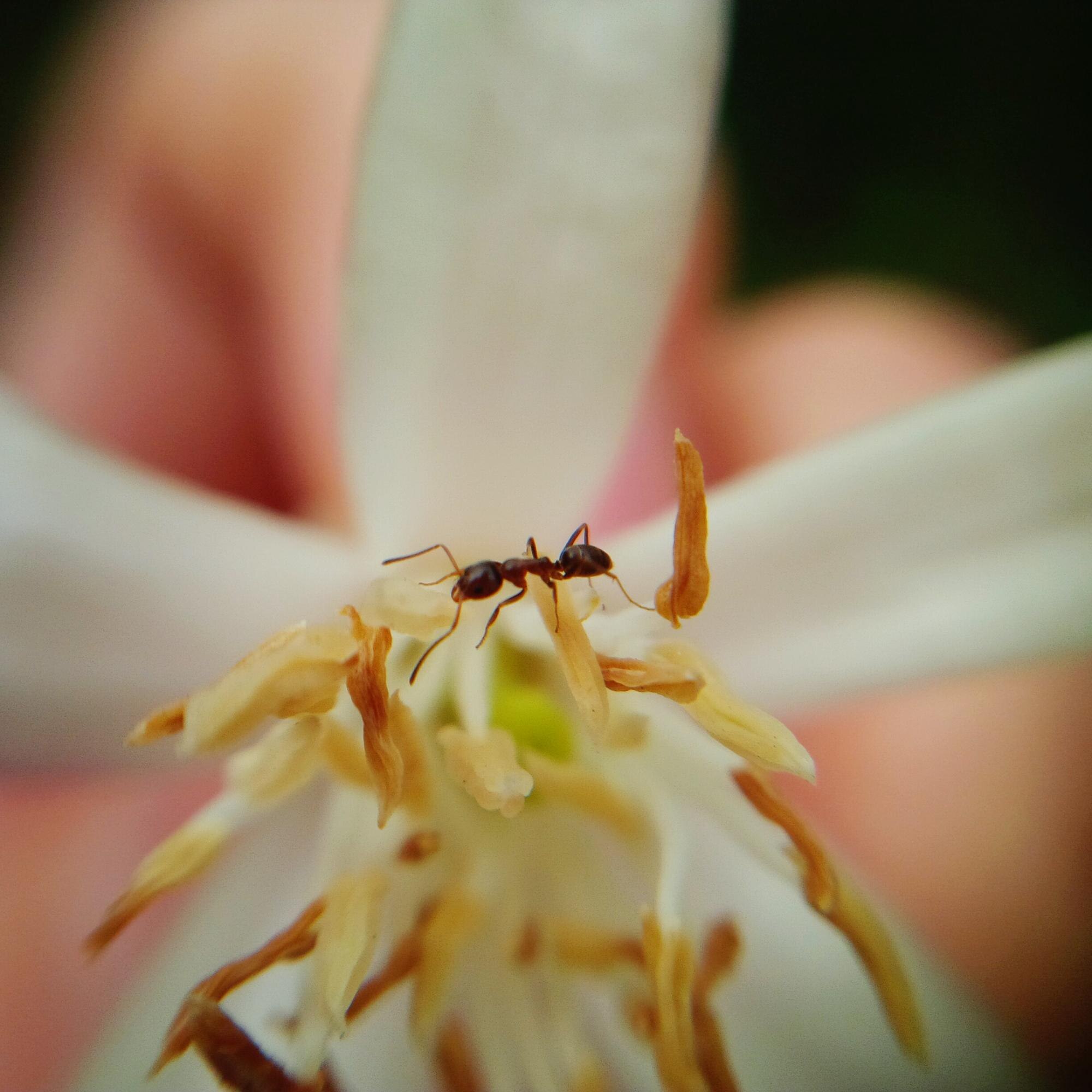
Pests in your food facility can turn a smooth HACCP audit into a stressful scramble. Ignoring pest control isn’t just risky—it can cost you your certification and reputation. This guide walks you through practical steps to build an IPM program that fits your operations, keeps you compliant, and uses eco-friendly methods safe for your team and customers. Keep reading to see how to stay ahead with auditor-ready documentation and expert support in the Western Cape. For further reading, check the HACCP pest control guidelines.
Integrating Pest Control into HACCP

Keeping your food facility free from pests is crucial to passing a HACCP audit. Let’s explore how pest control seamlessly fits into your plan.
Key Principles of HACCP Pest Control
Understanding HACCP pest control is essential for maintaining food safety. The primary goal is to prevent, eliminate, or reduce hazards. Pests are a significant threat, and ignoring them can lead to serious consequences.
Incorporating pest control into your HACCP plan involves identifying potential risks and implementing controls to address them. Regular monitoring and documentation are key components. You can learn more about the principles of HACCP here.
A well-structured approach ensures compliance and protects your reputation. By maintaining high standards, you safeguard your business and the health of your customers. Most people think it’s just about setting traps, but it involves much more.
Importance of Food Safety Compliance
Food safety compliance is not just about avoiding fines; it’s about trust and integrity. Customers rely on you to provide safe products, and any slip can damage confidence.
Ensuring compliance involves understanding regulations and consistently meeting them. This means regular audits, thorough record-keeping, and proactive measures. It’s a continuous process that demands attention but pays off in trust and customer loyalty.
You might think it’s complicated, but with the right approach, it’s manageable. The longer you wait to implement these measures, the more you risk.
Role of IPM in Food Facilities
Integrated Pest Management (IPM) is the cornerstone of effective pest control. It focuses on long-term prevention by understanding pest behavior and implementing strategic solutions.
IPM involves a combination of techniques: biological, cultural, mechanical, and chemical controls. This holistic approach not only eliminates pests but also minimizes harm to the environment.
Implementing IPM in your facility ensures a sustainable and effective pest management strategy. It’s not just about reacting to infestations but preventing them in the first place. Most facilities overlook the proactive aspect, which is crucial for success.
Eco-Friendly Approaches and Benefits

Switching to eco-friendly solutions is not just good for the planet; it’s smart for your business. Let’s dive into the benefits of going green.
Safe and Effective Pest Control Solutions
Eco-friendly pest control solutions are gaining popularity for a reason. They offer effective results without harmful side effects. These solutions are colorless, odorless, and safe for everyone involved.
Using natural and non-toxic methods, you can keep pests at bay without disrupting your operations. This approach aligns with modern consumer values, showing your commitment to health and sustainability.
Many believe that green solutions are less effective, but that’s a misconception. In reality, they provide robust protection without the drawbacks of traditional chemicals.
Auditor-Ready Documentation Features
Having auditor-ready documentation can make or break your compliance efforts. Proper records demonstrate your commitment to food safety and make audits smoother.
Comprehensive documentation includes pest monitoring logs, treatment records, and corrective actions. These documents are essential for showing that your facility meets all regulatory requirements.
By maintaining detailed and organized records, you can easily showcase your compliance. This proactive approach not only satisfies auditors but also gives you peace of mind.
Regional Support across Western Cape
Operating in the Western Cape? Local expertise can provide tailored solutions for your region. Our services are designed to meet specific challenges in your area, ensuring effective pest management.
Regional support means understanding local pest behaviors and regulations. This insight allows us to offer customized solutions that are both effective and compliant. Our commitment to the Western Cape community ensures that your facility receives the attention it needs.
Most companies offer generic solutions, but we believe in personalized service. Choosing a local partner gives you the advantage of focused support that aligns with regional needs.
Steps to Achieve HACCP Compliance

Achieving HACCP compliance is a journey worth taking. Here’s a step-by-step guide to help you succeed.
Comprehensive Site Risk Assessments
Start with a thorough risk assessment of your site. Identify areas where pests might enter and thrive. This initial step is crucial for developing an effective pest management plan.
Assessments involve inspecting your facility’s layout, sanitation practices, and potential pest attractants. By understanding these factors, you can implement targeted strategies to prevent infestations.
Ignoring risk assessments is a common mistake. By conducting them regularly, you stay ahead of potential issues and maintain compliance.
Digital Tools for Pest Monitoring
Incorporate digital tools to enhance your pest monitoring efforts. Technology offers real-time insights and data-driven decisions, making pest control more efficient.
Digital tools can include sensors, cameras, and software that track pest activity. These innovations help you respond quickly to any signs of infestation, ensuring swift action.
Embracing technology might seem daunting, but it streamlines your processes and enhances effectiveness. It’s an investment that pays off in precise control and peace of mind.
Staff Training and Awareness Programs
Your staff plays a vital role in maintaining food safety. Training them on pest control measures ensures everyone is on the same page.
Awareness programs teach staff how to identify pest issues and respond appropriately. This collective effort strengthens your HACCP plan and fosters a culture of safety.
Most facilities overlook staff training, but it’s a key component of success. Empowering your team with knowledge creates a proactive environment that supports compliance.
In conclusion, integrating pest control into your HACCP plan is essential for food safety compliance. By adopting eco-friendly solutions and leveraging local expertise, you can protect your reputation and ensure a safe environment for your customers. Whether you’re new to HACCP or looking to enhance your existing plan, these steps provide a pathway to success.