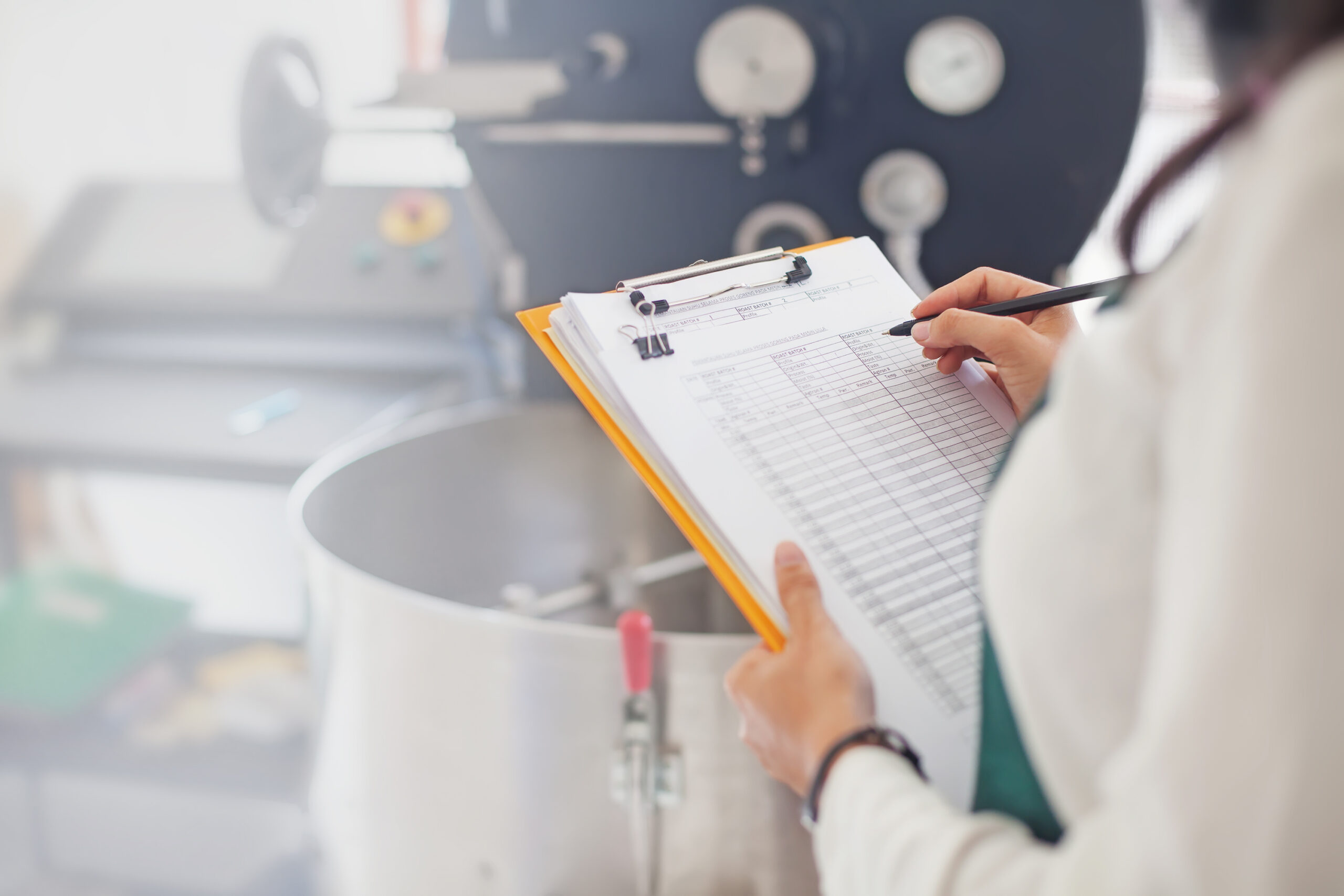
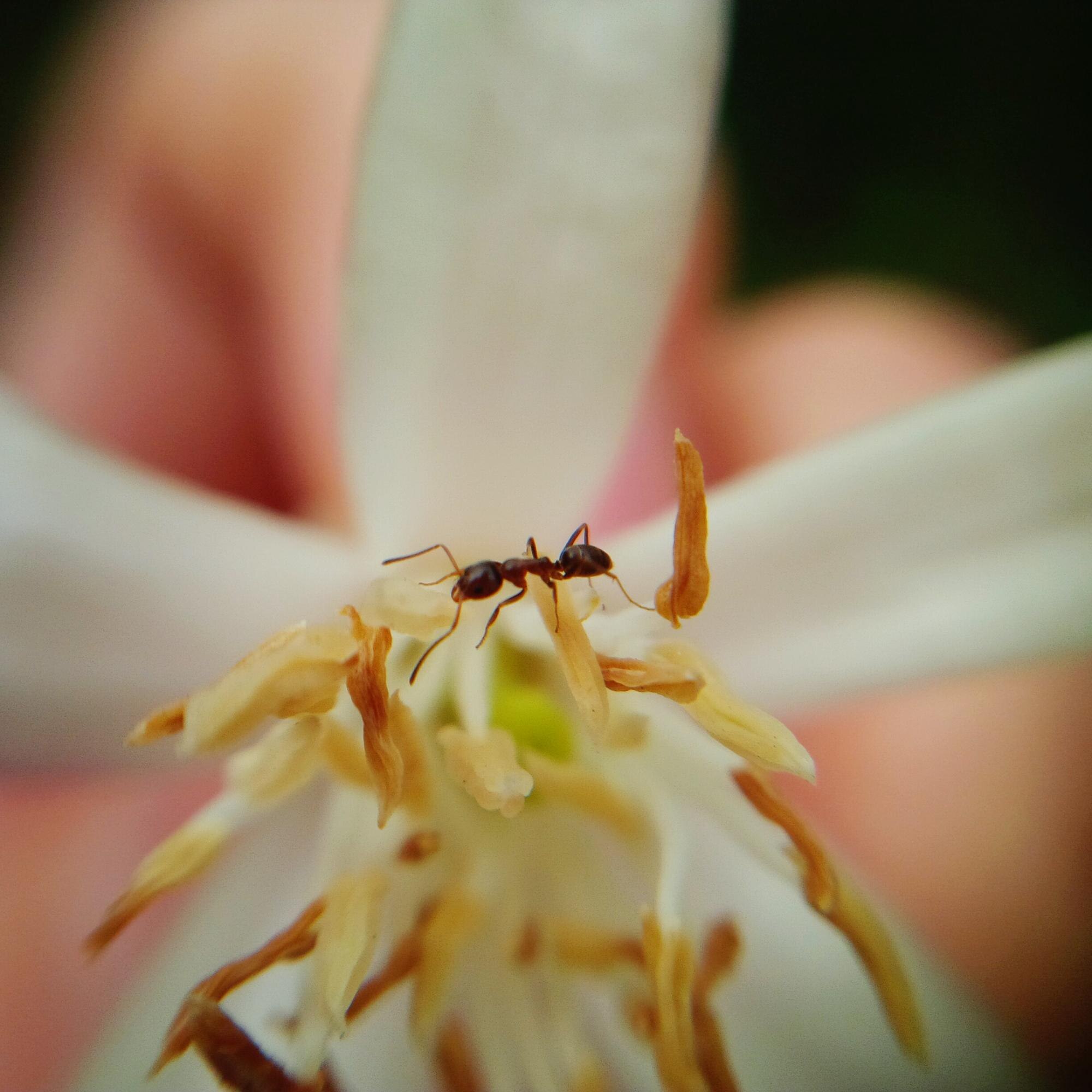
HACCP Compliance Through Integrated Pest Management (IPM): A Practical Guide for Western Cape Food Businesses
Pests can quietly ruin your HACCP compliance if you don’t have the right controls in place. Integrated Pest Management (IPM) is more than just pest control—it’s a detailed system that keeps your food business audit-ready and safe. In this guide, you’ll learn how IPM tackles pest risks, keeps records sharp, and supports eco-friendly treatments tailored for the Western Cape. Ready to secure your HACCP pest control plan? For more insights, check out this resource on integrating pest management.
Understanding HACCP and IPM
Imagine your food business staying audit-ready, always safe from pests. That’s the promise of combining HACCP and IPM.
Key Elements of HACCP Compliance
HACCP is all about preventing hazards before they happen. It’s a systematic approach to identifying and controlling risks. Your first step is understanding critical control points where contamination might occur. By setting up preventive measures, you protect your food products and, ultimately, your customers. This approach requires constant vigilance and documentation to prove your processes are sound.
Basics of Integrated Pest Management
IPM goes beyond basic pest control; it’s a comprehensive strategy. This method uses a variety of techniques like monitoring, biological control, and physical barriers. By focusing on long-term prevention, IPM minimizes the use of harmful chemicals. This not only keeps your business safe but also the environment. Implementing IPM means you’re choosing a smarter, eco-friendly way to manage pests.
Linking IPM to HACCP Success
How do these two systems work together? IPM strengthens your HACCP strategy by addressing potential pest risks directly. With IPM, you establish robust monitoring systems that fit seamlessly into your HACCP plan. Think of IPM as your proactive partner, ensuring your pest control measures are both effective and sustainable. By integrating IPM, you safeguard your business against pest-related disruptions, paving the way for smoother audits and safer food production. For more on IPM strategies, explore this comprehensive guide.
Implementing IPM for HACCP

Now, let’s put these concepts into action. Implementing IPM in your HACCP plan requires practical techniques and consistent documentation.
Essential Pest Monitoring Techniques
Start by setting up insect monitoring stations at key points. These stations help you track pest activity efficiently. Regular inspections ensure you’re always one step ahead. By using non-toxic methods, you keep your premises safe without compromising on effectiveness. This monitoring is your first line of defense in maintaining a pest-free environment.
Effective Trend Analysis Procedures
Analyzing pest data helps you spot trends before they become issues. Look for patterns in pest activity to adjust your control measures accordingly. This proactive approach saves you time and resources in the long run. Use data from monitoring stations to refine your strategies. It’s all about staying informed and ready to act at the first sign of trouble.
Corrective Actions and Documentation
When pests do show up, swift corrective actions are crucial. Document every step from detection to resolution to maintain transparency. This documentation not only supports your HACCP plan but also proves your commitment to pest control during audits. Keep records organized and up-to-date to streamline your audit process. Check out this resource on corrective actions for more detailed guidance.
Practical Steps for Food Businesses

Adopting IPM for HACCP is easier when you break it down into manageable steps tailored for your business needs.
Creating a HACCP Pest Control Plan
Crafting a pest control plan starts with identifying specific needs. Consider the unique challenges of your location and product type. Collaborate with pest control professionals to design a plan that fits seamlessly into your operations. This tailored approach ensures you’re not just compliant but also proactive in pest management.
Eco-Friendly Pest Control Solutions
Switch to eco-friendly pest control solutions that align with your business values. These products are safe for your team and the environment, offering peace of mind without disrupting your operations. They’re effective at keeping pests at bay while being gentle on the planet. By choosing green solutions, you demonstrate a commitment to sustainability that resonates with eco-conscious clients.
Preparing for a HACCP Audit
Prepare for a HACCP audit by keeping your documentation thorough and organized. Regularly review and update your pest control measures to reflect any changes in your operations. Training your team on pest control protocols ensures everyone is on the same page, ready for any surprise checks. Remember, a successful audit is within reach when you maintain a proactive and informed approach.
Conclude with confidence, knowing that integrating IPM with your HACCP plan is not just about compliance. It’s about creating a safer, more efficient operation that reassures your clients and protects your products. By investing in these strategies, you’re setting your business up for long-term success and sustainability.