Integrated Pest Management that Passes Audits: A Practical Guide to HACCP and FSSC 22000 Compliance in the Western Cape
Pests can shut down your food business faster than any other risk. Most companies struggle to keep pest control aligned with HACCP and FSSC 22000 standards—until they try integrated pest management (IPM). This approach not only keeps your facility audit-ready but also supports your entire food safety compliance plan. Let’s explore how IPM Western Cape helps you meet strict HACCP pest control requirements without disrupting your operations.
Importance of Integrated Pest Management
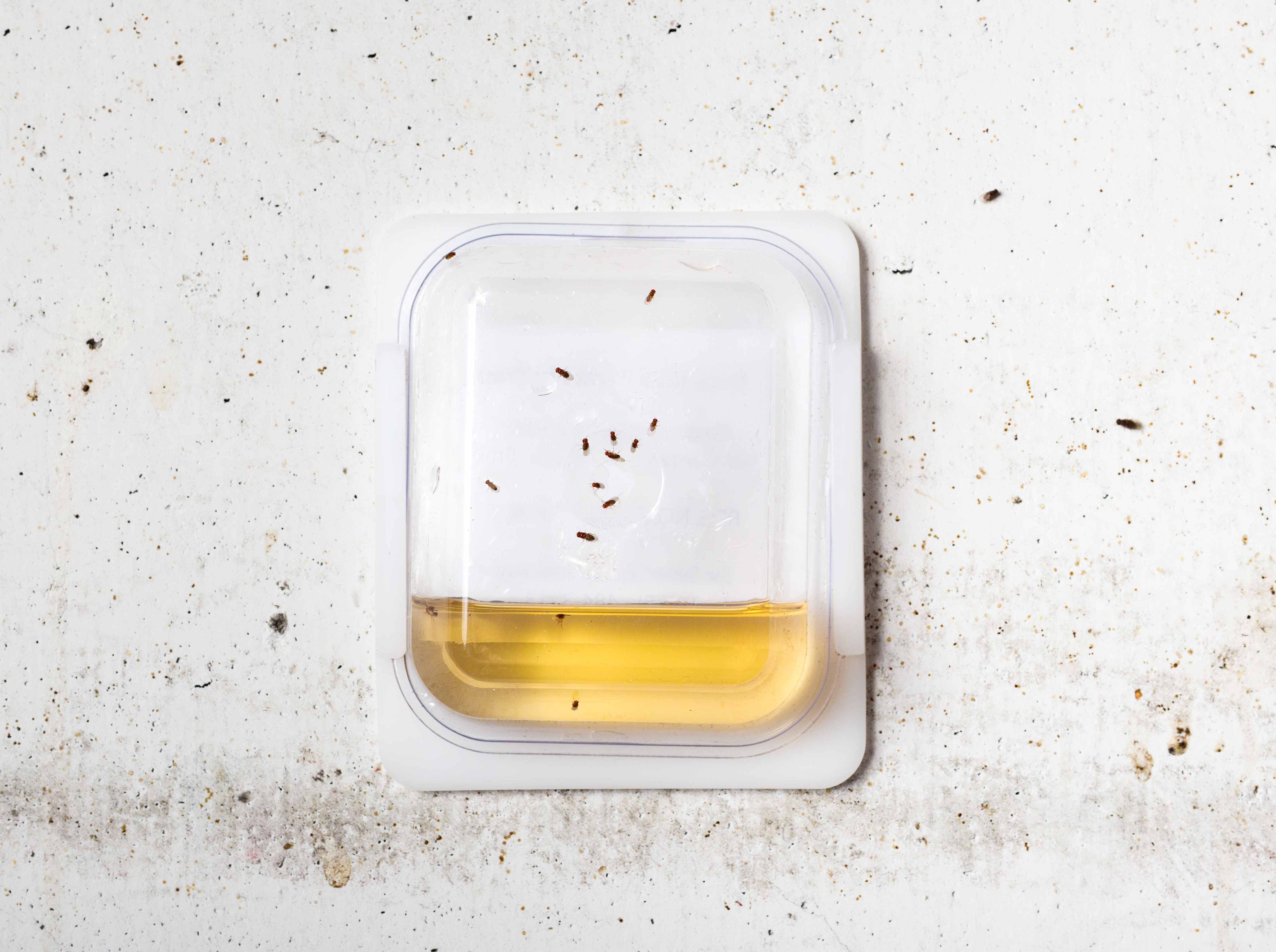
Integrated Pest Management (IPM) is crucial in maintaining food safety. It’s the backbone of many compliance standards, ensuring that pests don’t disrupt your operations or contaminate your products. Let’s see how it supports food safety measures in detail.
Enhancing Food Safety Compliance
Food safety is non-negotiable for your business. IPM gives you a structured plan to control pests and protect your products. This approach focuses on preventing problems before they happen. You can avoid costly recalls and maintain a high standard of hygiene. Integrated pest management also helps you comply with local and international standards such as HACCP and FSSC 22000. By using safe and effective methods, your facility stays clean and your products remain safe.
-
Prevention First: IPM prioritizes stopping pests at the source, reducing the need for chemical interventions.
-
Regular Monitoring: Frequent checks ensure that any pest activity is addressed swiftly.
By committing to these steps, you assure your customers that their health is your top priority.
Aligning with HACCP Standards
HACCP standards require a proactive approach to food safety. IPM fits perfectly within this framework, offering structured controls and monitoring. Your business can easily align its pest management practices with HACCP by:
-
Documenting Processes: Keeping detailed records of pest activities and measures taken.
-
Training Staff: Ensuring everyone knows their role in maintaining a pest-free environment.
Implementing these strategies helps you remain compliant and simplifies your audit processes. This alignment not only satisfies regulatory requirements but also builds trust with consumers, showing your commitment to quality and safety.
Key Components of IPM

Understanding the critical parts of IPM helps you implement an effective plan. Let’s delve into the key components that protect your business from pests.
Rodent and Insect Monitoring
Monitoring is an essential part of IPM Western Cape. It involves tracking pest activity to catch issues early. Rodent monitoring stations and insect trend analysis are two effective ways to do this.
-
Rodent Monitoring Stations: Placed strategically, these stations help control rat and mouse populations before they spread.
-
Insect Trend Analysis: By understanding pest patterns, you can predict and prevent outbreaks efficiently.
These tools ensure that your facility remains pest-free without relying heavily on chemicals. By focusing on prevention, you minimize the risk of infestations that could disrupt your operations.
Eco-Friendly Pest Control Solutions
Using eco-friendly solutions is important for your health and the environment. Non-toxic pest control products protect your workspace without harmful side effects.
-
Non-Toxic Products: These are safe for humans and pets, reducing health risks.
-
Eco-Friendly Practices: Sustainable methods are employed to protect the environment while controlling pests.
Opting for green solutions supports your business’s sustainability goals while maintaining high hygiene standards. These measures ensure a safer environment for everyone involved, and they align with consumer preferences for eco-conscious practices.
Preparing for a GFSI Audit

Being ready for a GFSI audit is critical for your business operations. It ensures you meet global food safety standards and maintain customer trust.
Creating Audit-Ready Documentation
Proper documentation is a cornerstone of passing audits. Keeping precise records of every action taken as part of your IPM plan is essential.
-
Detailed Logs: Record all pest control activities and findings.
-
Compliance Checklists: Use these to ensure all standards are continually met.
These documents provide proof of compliance and help you identify and address any weaknesses in your system. They serve as a reliable resource during audits, making the process smoother and less stressful.
Scheduling a Free Gap Assessment
A free gap assessment can highlight areas needing improvement before an audit. This proactive step can save your business time and resources.
-
Professional Evaluation: Experts assess your current systems and suggest enhancements.
-
Tailored Recommendations: Specific advice to strengthen your pest management approach.
By scheduling an assessment, you can address gaps early and ensure compliance. This proactive approach demonstrates your commitment to maintaining the highest standards, strengthening your position in the industry.
In conclusion, integrated pest management is not just about keeping pests at bay. It’s about creating a safe, compliant, and sustainable environment for your business to thrive. By adopting IPM, you meet crucial standards, protect your reputation, and ensure the well-being of everyone involved.